
Many women diagnosed with Polycystic Ovary Syndrome (PCOS) wonder, can PCOS cause infertility? PCOS is one of the most common hormonal disorders affecting women of reproductive age and is a leading cause of difficulty in conceiving. Although a diagnosis of PCOS can be concerning, it does not mean pregnancy is impossible. With timely diagnosis, lifestyle modifications, and the right medical care, many women successfully achieve pregnancy.
If you are asking can PCOS cause infertility, understanding the condition, its symptoms, and available treatment options can help you make informed decisions about your reproductive health.
What Is PCOS?
Polycystic Ovary Syndrome (PCOS) is a hormonal condition that affects the ovaries and disrupts normal ovulation. Women with PCOS often have higher than normal androgen (male hormone) levels, irregular menstrual cycles, and multiple small follicles in the ovaries.
Common symptoms include:
- Irregular or missed periods
- Excess facial or body hair
- Acne and oily skin
- Weight gain or difficulty losing weight
- Thinning hair on the scalp
- Difficulty becoming pregnant
Although symptoms vary from person to person, early diagnosis helps improve fertility outcomes and overall health, especially for women experiencing PCOS and infertility.
How PCOS Affects Fertility
Understanding can PCOS cause infertility becomes easier when you know how the condition affects the reproductive system.
PCOS may lead to:
- Irregular or absent ovulation
- Hormonal imbalance
- Poor egg maturation
- Insulin resistance
- Increased androgen production
- Changes in the uterine environment
These factors can reduce the chances of natural conception, but modern fertility treatments offer excellent success rates for many women.
Signs That PCOS May Be Affecting Your Fertility
If you are wondering can PCOS cause infertility, watch for these common signs:
- Trying to conceive for more than 12 months without success
- Irregular menstrual cycles
- No menstrual periods
- Difficulty predicting ovulation
- Recurrent early pregnancy loss
- Hormonal symptoms such as acne or excessive hair growth
Consulting a fertility specialist early can help identify the cause and recommend the most suitable treatment plan.
Diagnosis of PCOS
Doctors diagnose PCOS using a combination of medical history, physical examination, blood tests, and ultrasound scans.
Diagnostic methods include:
- Hormone level testing
- Pelvic ultrasound
- Blood sugar and insulin testing
- Thyroid function tests
- Ovulation assessment
Early diagnosis allows doctors to begin pregnancy treatment for PCOS before fertility problems become more severe.
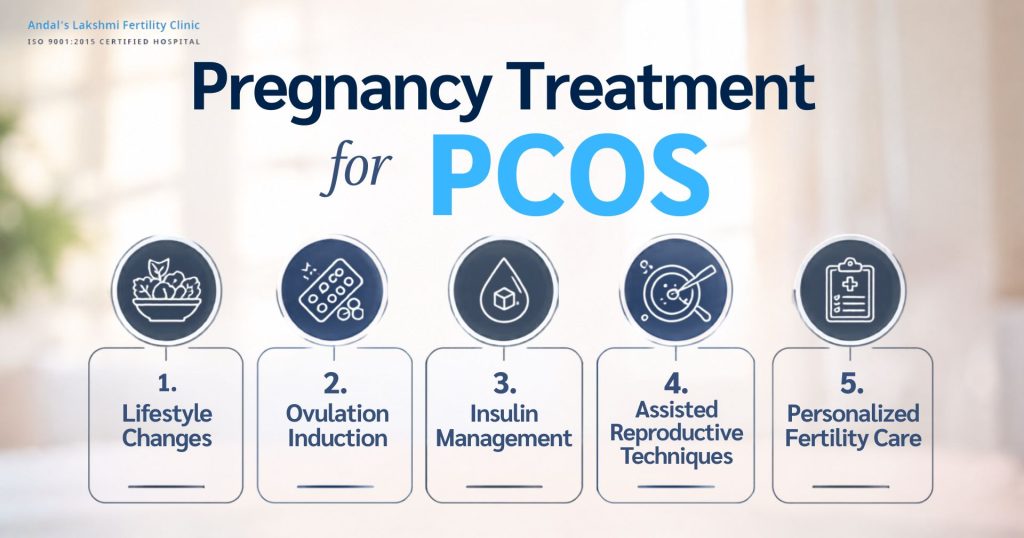
Pregnancy Treatment for PCOS
Today, several effective options are available for pregnancy treatment for PCOS, depending on each woman’s condition and fertility goals.
Common treatments include:
1. Lifestyle Changes
Healthy eating, regular exercise, and maintaining an ideal weight can improve hormone balance and increase ovulation. For many women, lifestyle improvements are the first step in pregnancy treatment for PCOS.
2. Ovulation Induction
Doctors may prescribe medications that stimulate ovulation, increasing the chances of releasing healthy eggs. Ovulation induction is one of the most widely recommended methods of pregnancy treatment for PCOS.
3. Insulin Management
Women with insulin resistance may receive medications that improve insulin sensitivity. Better metabolic control can restore regular ovulation and support pregnancy treatment for PCOS.
4. Assisted Reproductive Techniques
If initial treatments are unsuccessful, assisted reproductive procedures such as IUI or IVF may be recommended. These advanced options provide effective pregnancy treatment for PCOS for many couples experiencing infertility.
5. Personalized Fertility Care
Every woman responds differently to treatment. A fertility specialist will create an individualized pregnancy treatment for PCOS plan based on age, hormone profile, ovarian reserve, and reproductive history.
Can Women with PCOS Have a Healthy Pregnancy?
Yes. Although many women ask can PCOS cause infertility, it is equally important to know that successful pregnancies are common.
Once pregnancy occurs, regular prenatal care, healthy nutrition, blood sugar monitoring, and medical supervision help reduce potential pregnancy complications. With proper care, women with PCOS can experience healthy pregnancies and deliver healthy babies.
Tips to Improve Fertility with PCOS
Improving fertility often involves a combination of healthy habits and medical support.
- Follow a balanced diet rich in whole foods. A well-planned PCOS diet plan for hormonal health can help regulate insulin levels, support hormone balance, and promote regular ovulation.
- Exercise regularly.
- Manage stress effectively.
- Get enough quality sleep.
- Track menstrual cycles and ovulation.
- Avoid smoking and excessive alcohol consumption.
- Seek early pregnancy treatment for PCOS if pregnancy does not occur naturally.
Following these steps can significantly improve reproductive health while supporting the effectiveness of pregnancy treatment for PCOS. Combining medical care with a PCOS diet plan for hormonal health may further enhance fertility outcomes and improve your overall well being.
When Should You See a Fertility Specialist?
You should consult a fertility specialist if:
- You have irregular or missed periods.
- You have been trying to conceive for over a year without success.
- You are over 35 years old and have been trying to conceive for six months.
- You have been diagnosed with PCOS and want to plan a pregnancy.
- You have experienced recurrent miscarriages.
- You have irregular ovulation or other hormonal concerns that may affect fertility.
Early evaluation helps identify the most suitable pregnancy treatment for PCOS and improves the chances of achieving a successful pregnancy sooner. A fertility specialist can perform detailed tests to understand the underlying cause of infertility and recommend a personalized treatment plan based on your health and reproductive goals.
If you are searching for the best fertility center Nellore, it is important to choose a clinic with experienced fertility specialists, advanced diagnostic facilities, and personalized treatment options. Andals Fertility Clinic is committed to providing comprehensive fertility care, guiding couples through every step of their parenthood journey with compassionate support and evidence-based treatments. Seeking expert advice at the right time can increase your chances of conception and help you receive the care that best suits your individual needs.
Get Expert Support for Your Fertility Journey
If you’re looking for the best fertility specialist, choosing an experienced team can improve your chances of a successful pregnancy. At DR Andals Fertility Clinic, specialists provide comprehensive fertility evaluations, advanced diagnostic services, and personalized treatment plans designed to support every stage of your fertility journey. Early consultation can help you receive timely care, improve fertility outcomes, and move one step closer to achieving your dream of parenthood.
Frequently asked questions
1. Can I get pregnant naturally if I have PCOS?
Yes. Many women with PCOS conceive naturally, especially with lifestyle changes and timely medical treatment. If pregnancy does not occur after trying for several months, consult a fertility specialist.
2. How long should I try before seeking fertility treatment for PCOS?
If you are under 35, seek medical advice after trying to conceive for 12 months. If you are 35 or older, consult a fertility specialist after 6 months of trying.
3. Does losing weight really improve fertility in women with PCOS?
Yes. Even losing 5–10% of your body weight can improve hormone balance, restore ovulation, and increase the chances of pregnancy in many women with PCOS.
4. Are irregular periods always a sign of infertility?
No. Irregular periods often indicate irregular ovulation, which can make conception more difficult, but they do not necessarily mean you are infertile. Proper evaluation and treatment can help.
5. What if medications for PCOS don’t help me get pregnant?
If ovulation medications are unsuccessful, your fertility specialist may recommend advanced treatments such as IUI or IVF based on your age, fertility history, and overall reproductive health.