Polycystic Ovary Syndrome (PCOS) is a common hormonal condition that can affect ovulation, menstrual cycles, and fertility. For women planning a pregnancy, a PCOS diagnosis can naturally raise questions such as “Can I get pregnant with PCOS naturally?” or “What can I do to improve my chances of pregnancy?”
The good news is that many women with PCOS can become pregnant. The right approach depends on factors such as ovulation, age, overall health, menstrual patterns, and the fertility of both partners.
At Andal’s Lakshmi Fertility Clinic, understanding the individual causes affecting fertility is an important first step toward choosing an appropriate treatment approach.
What Is PCOS?
PCOS, or Polycystic Ovary Syndrome, is a hormonal condition that can affect the way the ovaries function. It may be associated with irregular periods, changes in androgen levels, and difficulties with regular ovulation.
Not every woman with PCOS experiences the same symptoms. Some women may have irregular menstrual cycles, while others may have relatively regular periods but still experience hormonal or ovulatory difficulties.
Because PCOS can affect ovulation, it may sometimes make conception more difficult.
How Does PCOS Affect Fertility?
Ovulation is an important part of conception because an egg needs to be released from the ovary for fertilization to occur.
In some women with PCOS, hormonal changes can interfere with regular ovulation. This may result in:
- Irregular or missed periods
- Infrequent ovulation
- Difficulty identifying the fertile window
- Longer time to conceive
- Challenges with maintaining a predictable menstrual cycle
However, having PCOS does not mean that pregnancy is impossible.
The effect of PCOS on fertility can vary significantly from one woman to another.
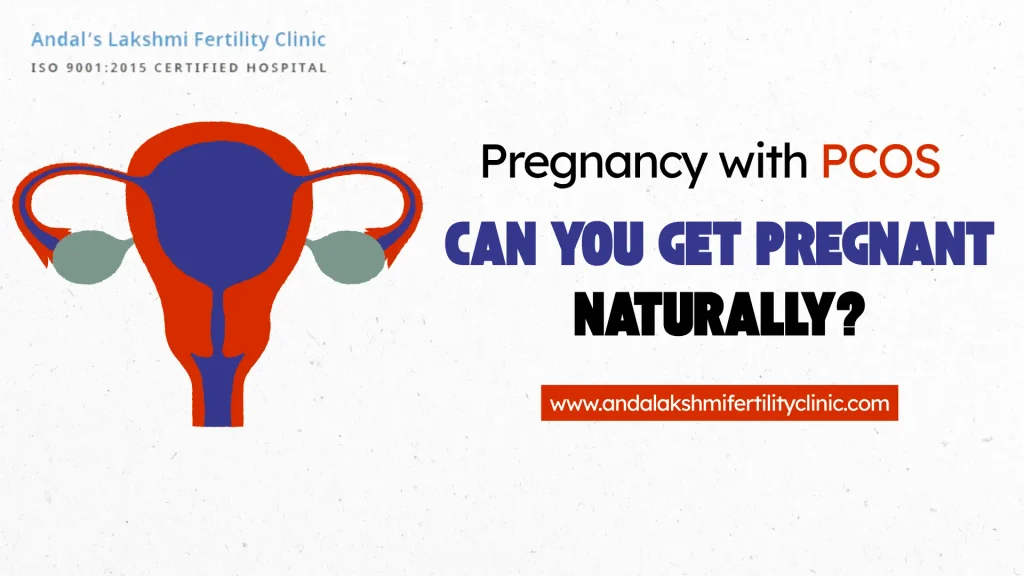
Can I Get Pregnant With PCOS Naturally?
Yes, pregnancy with PCOS can happen naturally, particularly when ovulation occurs regularly or becomes more predictable with appropriate lifestyle and medical support.
Some women with PCOS conceive without fertility treatment, while others may need help regulating ovulation.
If you are trying to conceive, it is useful to understand whether you are ovulating regularly rather than assuming that PCOS alone prevents pregnancy.
A fertility specialist can evaluate your menstrual history, ovulation patterns, and other factors that may influence conception.
How to Improve Your Chances of Getting Pregnant With PCOS
If you are planning a pregnancy, several areas may be important to consider.
1. Maintain a Healthy Lifestyle
A balanced lifestyle can support overall reproductive health. Depending on your individual health needs, this may include:
- Eating a balanced and nutritious diet
- Maintaining a healthy weight
- Staying physically active
- Getting adequate sleep
- Managing stress
- Avoiding smoking and excessive alcohol consumption
Lifestyle changes should be personalized rather than based on a one-size-fits-all approach.
2. Understand Your Ovulation Pattern
Women with PCOS may have irregular ovulation, making it harder to predict the most fertile days.
Tracking menstrual cycles and discussing ovulation monitoring with a fertility specialist can help determine whether ovulation is occurring and when it may be happening.
3. Address Other Fertility Factors
PCOS may not be the only factor affecting conception.
A fertility evaluation may also consider:
- Age and ovarian reserve
- Fallopian tube health
- Uterine health
- Sperm health of the male partner
- Other hormonal factors
- Previous pregnancy history
Looking at both partners can help provide a more complete understanding of fertility.
PCOS and Pregnancy: What Should You Know?
Once pregnancy occurs, women with PCOS may require appropriate antenatal monitoring based on their individual health profile.
PCOS has been associated with an increased risk of certain pregnancy complications, but having PCOS does not mean that complications will definitely occur.
Your doctor may recommend appropriate monitoring throughout pregnancy, particularly if there are additional risk factors.
Regular prenatal care, healthy lifestyle habits, and following your healthcare provider’s recommendations can help support a healthy pregnancy.
When Should You See a Fertility Specialist?
If you have PCOS and are planning to conceive, you do not necessarily need to wait a long time before discussing your fertility with a specialist especially if your periods are very irregular or you suspect that you are not ovulating.
You may benefit from a fertility consultation if:
- Your periods are consistently irregular
- You are not sure whether you are ovulating
- You have been trying to conceive without success
- You have additional reproductive health concerns
- You want to understand your fertility before actively trying for pregnancy
An early evaluation can help identify potential issues and determine whether you need lifestyle guidance, ovulation support, or other fertility treatment.
How Is PCOS-Related Infertility Evaluated?
A fertility specialist may use different assessments depending on your individual situation.
These can include:
| Evaluation | What It Helps Assess |
| Menstrual history | Cycle regularity and ovulation patterns |
| Hormonal evaluation | Certain hormonal factors related to fertility |
| Ultrasound | Ovaries and reproductive organs |
| Ovarian reserve assessment | Information about ovarian function |
| Ovulation monitoring | Whether and when ovulation occurs |
| Semen analysis | Male partner’s sperm health |
| Tubal evaluation | Whether the fallopian tubes are open, when indicated |
Not every test is required for every woman. Your fertility specialist can recommend investigations based on your medical history and fertility goals.
Treatment Options for Getting Pregnant With PCOS
Treatment depends on the reason pregnancy is not occurring and whether ovulation is the main issue.
Depending on individual needs, fertility care may include:
Lifestyle and Medical Guidance
For some women, improving metabolic health, nutrition, physical activity, and other lifestyle factors may be an important part of fertility care.
Ovulation Support
If irregular or absent ovulation is affecting conception, a doctor may recommend medication to help induce ovulation when appropriate.
Intrauterine Insemination (IUI)
In selected cases, IUI may be considered after evaluating the couple’s fertility factors.
In Vitro Fertilization (IVF)
IVF may be considered when other fertility factors are present or when simpler approaches have not been successful.
The most suitable option depends on the woman’s age, ovarian reserve, ovulation, duration of infertility, and other factors affecting both partners.
Can PCOS Be Managed Before Pregnancy?
Yes. If you have PCOS and are planning pregnancy, discussing your health with a fertility specialist before conception can be helpful.
Preconception care may focus on:
- Understanding your menstrual and ovulation pattern
- Reviewing current medications
- Improving overall health
- Managing weight where appropriate
- Checking relevant medical conditions
- Identifying other fertility factors
This allows treatment and pregnancy planning to be tailored to your individual needs.
PCOS Does Not Mean You Cannot Become a Mother
One of the most important things to remember is that PCOS does not automatically mean infertility.
Some women with PCOS become pregnant naturally, while others may need medical support to achieve regular ovulation or address additional fertility concerns.
Instead of focusing only on the PCOS diagnosis, it is important to understand why conception may be taking longer and what can be done based on your individual situation.
How Andal’s Lakshmi Fertility Clinic Can Help
At Andal’s Lakshmi Fertility Clinic, fertility care begins with understanding the individual needs of each woman and couple.
For women with PCOS who are planning pregnancy, the fertility team can assess factors such as menstrual patterns, ovulation, ovarian health, and other possible causes affecting conception.
Based on the evaluation, your doctor can discuss suitable options ranging from lifestyle and medical guidance to fertility treatments when required.
The goal is to choose an appropriate approach based on your fertility needs rather than assuming that every woman with PCOS requires the same treatment.
Frequently Asked Questions
Can I get pregnant with PCOS naturally?
Yes. Many women with PCOS can become pregnant naturally. The chances depend on factors such as ovulation, age, overall reproductive health, and the fertility of both partners.
Does PCOS cause infertility?
PCOS can make conception more difficult, mainly when it causes irregular or absent ovulation. However, PCOS does not automatically mean that a woman is infertile.
How can I get pregnant with PCOS?
Understanding your ovulation pattern, maintaining a healthy lifestyle, and getting an appropriate fertility evaluation can help. If ovulation is irregular, a fertility specialist can discuss suitable treatment options.
Is pregnancy with PCOS considered high risk?
PCOS may be associated with an increased risk of certain pregnancy complications. However, individual risk varies, and appropriate prenatal monitoring can help manage pregnancy based on your specific health needs.
Should I see a fertility specialist if I have PCOS?
If your periods are very irregular, you suspect you are not ovulating, or you have been trying to conceive without success, consulting a fertility specialist can help identify the factors affecting conception.
Does every woman with PCOS need IVF?
No. IVF is not automatically required for women with PCOS. Treatment depends on ovulation, age, ovarian reserve, tubal health, sperm health, and other fertility factors.
Take the Next Step Toward Pregnancy
Having PCOS can make the journey to pregnancy more challenging for some women, but it does not mean that pregnancy is out of reach.
If you are trying to get pregnant with PCOS, understanding your individual fertility factors is the first step. With appropriate evaluation and personalized guidance, you can explore the most suitable path toward conception.